Русский
  English
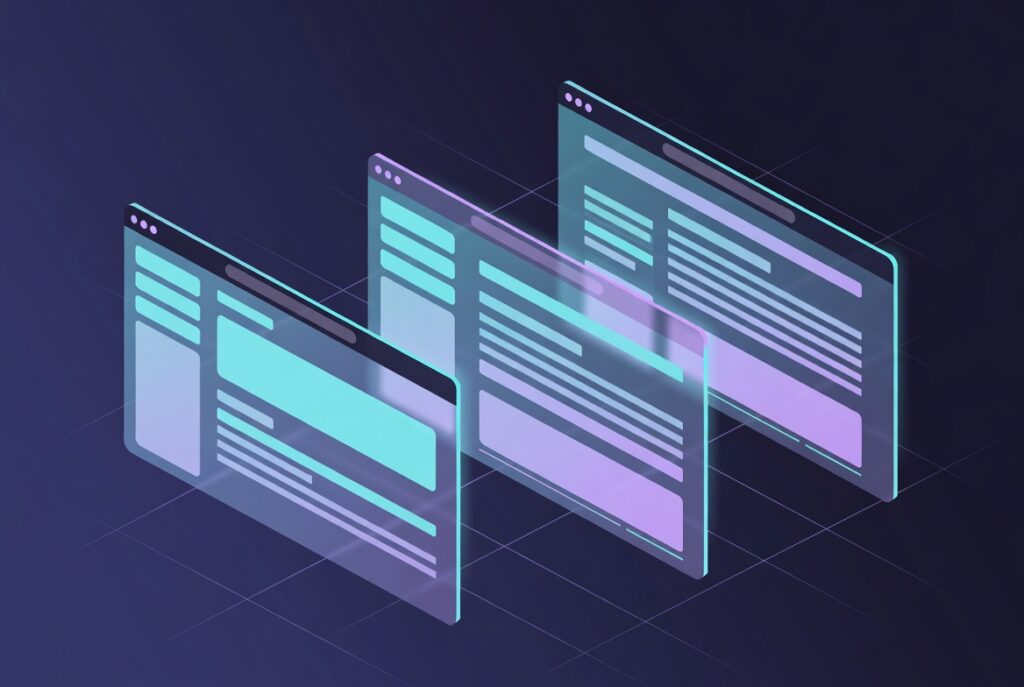
In performance marketing, a website is more than a destination after an ad click. It continues the message of the creative, shapes the first impression of the offer, and gives visitors the amount of information they expect before taking the next step.
That is why the real question is rarely “how do I build a website quickly?” A better question is: which format fits this traffic source, audience, GEO, offer, and funnel stage?
WPG offers landing pages, multi-page websites, and WordPress blogs, with a WordPress online store listed as an upcoming format. Each serves a different purpose. The right choice depends on the role the website needs to play in your campaign.
Start with traffic intent, not the platform name
Visitors from search ads, native placements, and social creatives arrive with different expectations.
Search traffic usually has a clearer intent. A person is actively looking for a service, product, or solution. They need relevance, clarity, and a straightforward path forward. For a focused offer, a landing page can be the right match.
Social traffic is often more discovery-driven. A user may click because a visual, problem, or promise caught their attention. The website needs to carry the creative’s message forward without forcing the visitor to navigate a complex structure immediately. A landing page can work well here too, especially when the offer is simple.
Native traffic tends to be more content-oriented. A visitor may expect an article, a guide, an expert-style resource, or a detailed project. Sending that user to a very short page can create a gap between the message that earned the click and the page that follows it. Multi-page websites and blogs often make more sense in these funnels.
The key point: do not select a site format based only on whether you are using Google Ads, Meta, TikTok Ads, X Ads, or a native network. Select it based on what the creative promises and what the user expects to find after clicking.
Landing pages: one offer, one focused message
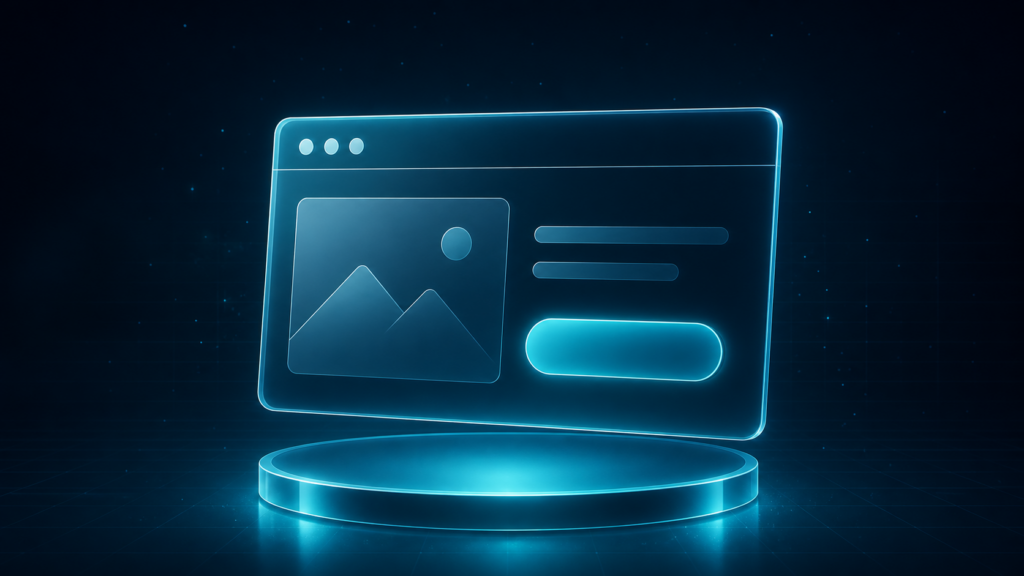
A landing page is designed around one core idea. It introduces a product, service, or opportunity, explains the value, addresses the most important questions, and guides visitors toward a primary action.
For affiliate marketing teams, landing pages are useful when the funnel is short and direct. The ad introduces a localized service, a digital tool, a product category, or a single proposition, and the page continues that narrative without distractions.
When a landing page is the best fit
Consider a landing page when you need to:
- test a new angle, niche, or audience segment;
- focus on one product, service, or proposition;
- localize a simple offer for multiple GEOs;
- launch several variations of a campaign efficiently;
- align a clear ad message with one clear destination.
For Google Search, landing pages work especially well when the query reflects a specific need. For Meta, TikTok, and X Ads, they fit campaigns built around one pain point, benefit, or short-form story.
A landing page is not a smaller version of a multi-page website. Its strength is focus. If the offer has several service lines, pricing options, or important details to explain, trying to force everything onto one page can make the experience feel crowded.
Multi-page websites: deeper context for more complex offers
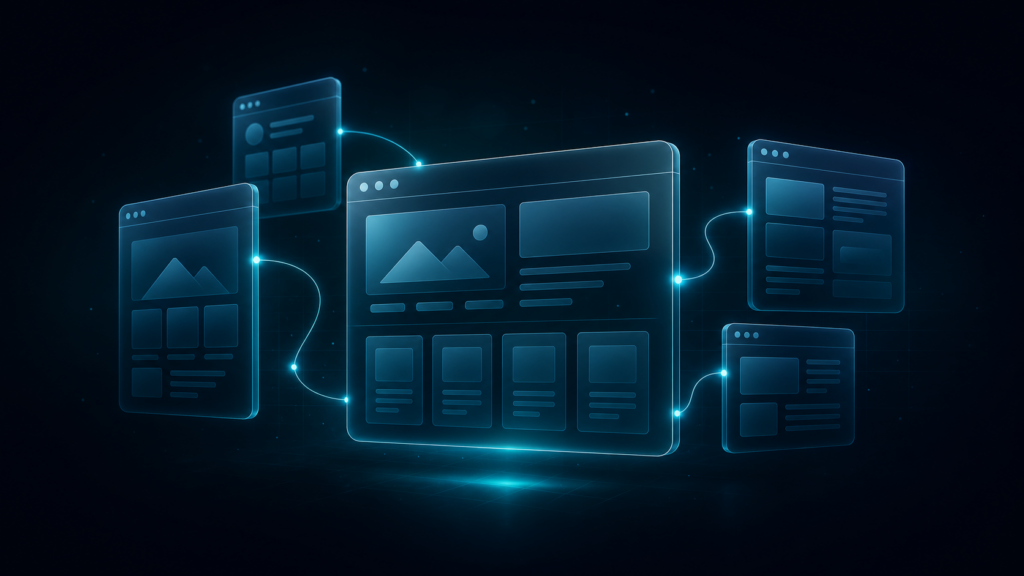
A multi-page website gives a project room to breathe. Instead of placing every detail on a single page, it can separate services, categories, company information, contacts, pricing, and other relevant sections into a logical structure.
This format is often better for niches where users expect a complete resource: local services, travel, professional services, education, fintech, B2B projects, and category-driven websites.
Where multi-page sites work best
A multi-page website is often the stronger choice for:
- native advertising campaigns;
- Google Demand Gen and other discovery-oriented campaigns;
- offers with multiple services, products, or use cases;
- GEOs where users are likely to research before acting;
- funnels that need to answer several questions before conversion.
For native traffic, a multi-page structure helps preserve continuity. If an ad introduces a local topic, a comparison, or a problem-based story, users can land on a resource that offers related sections and supporting detail rather than one isolated sales page.
WPG generates the website structure around the niche rather than forcing projects into a small set of fixed templates. This matters when testing different verticals: a travel guide, a cleaning service, and a professional consultancy should not look like the same page with the text replaced.
WordPress blogs: for content-led and long-term funnels
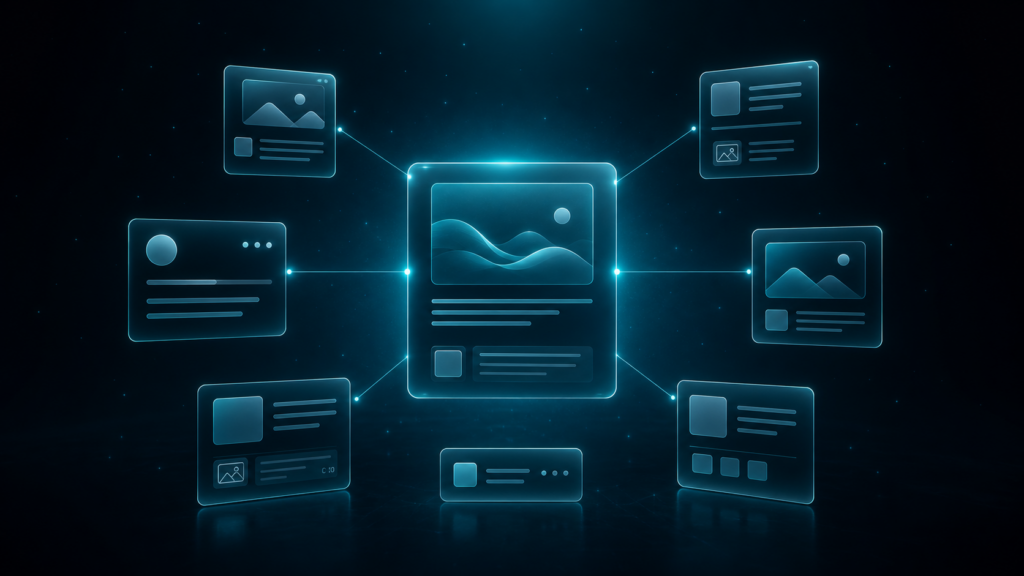
A WordPress blog is the right format when the website needs to do more than introduce an offer. It gives you a content hub where articles can answer questions, provide context, compare options, and gradually move readers toward the next step.
This works well for audiences that need time to explore a topic. Content-led funnels can receive visitors from SEO, native placements, Telegram channels, email newsletters, and other educational or editorial touchpoints.
Why WordPress blogs are useful for affiliate teams
A WordPress blog provides a practical starting point with initial niche-related content while keeping the site editable after launch. Teams can add new articles for seasonal angles, GEO variations, new creatives, and emerging content themes.
A blog is especially valuable when:
- the funnel begins with informational interest rather than direct purchase intent;
- the topic needs reviews, guides, comparisons, or explanations;
- you want to add content over time;
- the same site will support Telegram, email, native, or SEO traffic;
- content quality and ongoing updates are part of the site strategy.
WPG blogs use SQLite, which reduces the technical setup required for WordPress deployment. More importantly, the website remains manageable from the familiar WordPress admin panel. You can publish new articles, update existing pages, and adapt the site as campaign priorities change.
WordPress online stores: for offers with a catalog or product choice
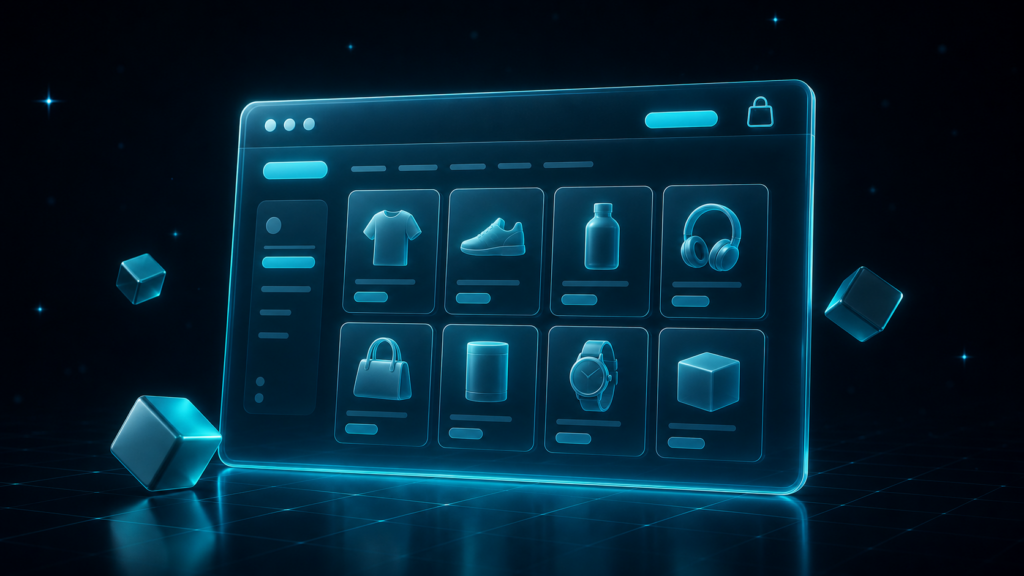
The WordPress online store is listed on WPG as an upcoming format. It is built for a different kind of funnel: one where the user needs to browse a catalog, compare products or service packages, and evaluate options before choosing.
An online store makes more sense than a standard landing page when the offer includes multiple products, plans, variations, or price points. It gives each item an appropriate place instead of trying to compress an entire product range into one long page.
When an online store is a better match
A WordPress store is particularly relevant for:
- product verticals with multiple SKUs;
- service offers with tiered packages;
- campaigns that need product or service cards;
- users arriving with an intention to compare and select;
- projects that need a catalog that can grow over time.
For search traffic, a store can support category- and product-level demand. For social traffic, it works when the creative highlights one product while the visitor should still be able to discover related options after clicking.
Website formats at a glance
| Format | Often fits best with | Choose it when |
| Landing page | Search, Meta, TikTok, X Ads | The campaign has one central product, service, or angle |
| Multi-page website | Native, Demand Gen, complex social funnels | The project needs sections, categories, or detailed information |
| WordPress blog | SEO, native, Telegram, email | Articles and ongoing content management are important |
| WordPress store | Search, product-led social, catalog funnels | The offer includes multiple products, packages, or plans |
The practical rule for choosing a format
Do not begin by asking which website format looks more impressive. Begin with the visitor’s next question.
If they need to understand one clear proposition, use a landing page. If they need to explore services and validate the project, use a multi-page website. If the funnel depends on education and editorial content, use a WordPress blog. If they need to choose from multiple products or packages, use an online store.
The website should support the logic of the ad and the user journey. When the creative, destination page, and next step feel like one coherent funnel, each part of the campaign has a clearer job to do.
Related guides
Continue with these practical guides: the structure of an affiliate marketing landing page, how to create a landing page with AI and White Page examples and templates.
If the term is new, start with a clear guide to landing page meaning, types, and structure, then return to the format comparison.